
.
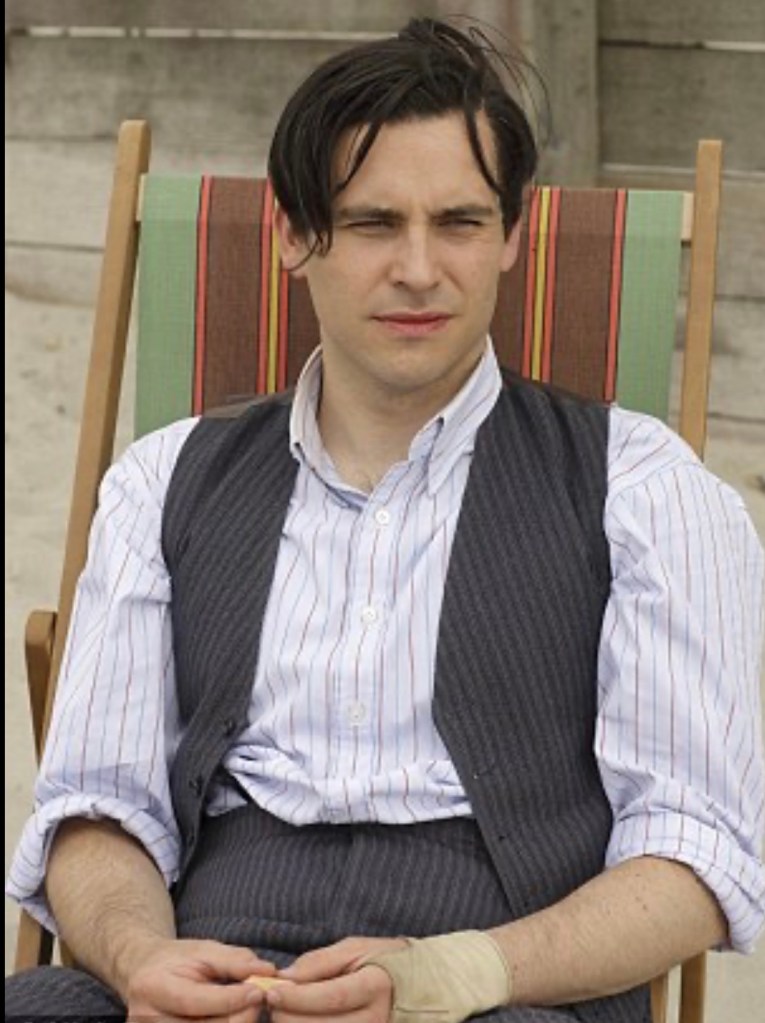
Why is it that all UK sexual repression dramas have to involve beaches? There’s On Chesil Beach of course but also Saint Maud, The Invisible Woman, Summerland and Ammonite which are all set in and around costal locations. If the characters are gay as well, as they are in the last two, then sequences with the cold sea relentlessly pushing up the beach seem to be absolutely obligatory. Even Mr Barrow got his moment wistfully looking out across the ocean.
.
Our status as an island is undoubtedly a part of the National identity and maybe in this context the tides are a metaphor for the force of the world keeping us in our place. Whatever it is, if you are British and carnally frustrated then all that salt water surrounding you is clearly torture.
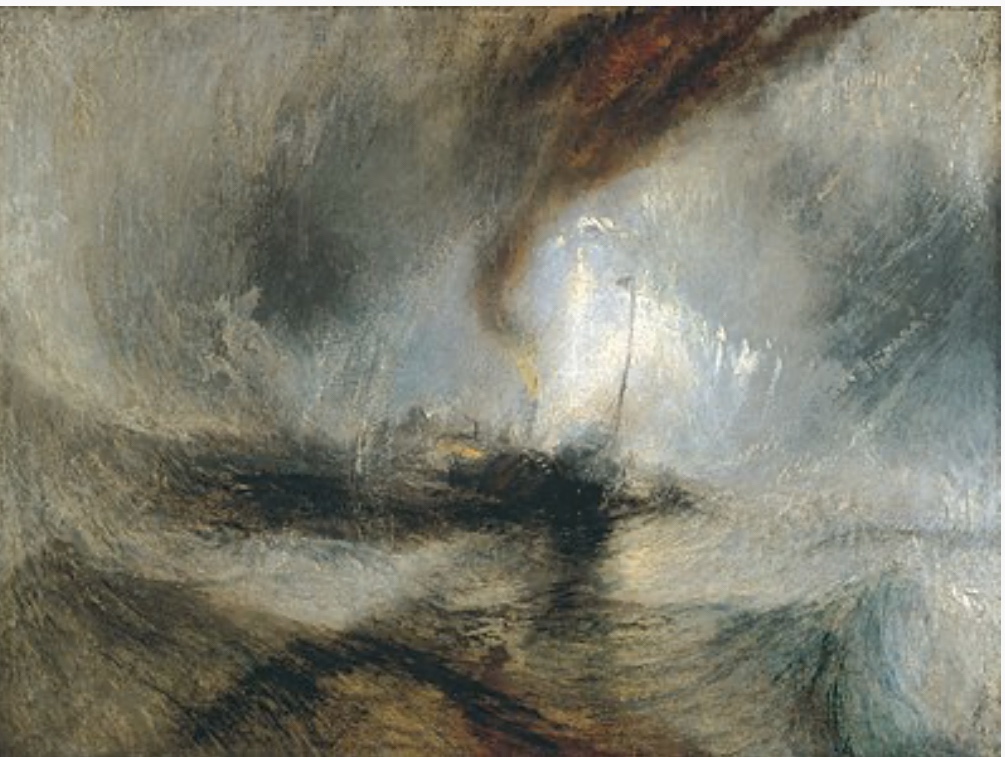
My Policeman really leans into this imagery. It actually opens with shots of surf crashing over pebbles and, as if that’s not enough, the central couple first connect while discussing the duality of an exciting but frightening sea in Turner’s painting Snow Storm and Steam Boat off a Harbour’s Mouth. It’s not a tricky metaphor to read.
.
It has to be said that nothing about Michael Grandage’s new film is subtle. It tells the tale of two men that fall in love in the 1950s, and the woman that one of them marries because society expects it. In Bethan Roberts’ source novel there may have been a full exploration of all that happens around this and everything that occurred in the four decades that the story spans. The movie though seems to be presenting select moments, from the 50s then and the 90s ‘now’ and the events in the intervening years are certainly conspicuous by their absence. The scenes chosen seem to be selected for maximum emotion but as such it all just feels a little overplayed. There is something here in how homosexual men were persecuted and it starts to examine how one injustice is thought to justify another as the policeman of the title gaslights his wife in a way that would be deplorable in any other setting. It all just feels very underdeveloped though. Something is revealed at the end as well, which I think might be intended as a twist but really isn’t. To be fair if you read the blurb on the book this does seem to be part of the narrative so maybe it was just not given enough airtime in the main body of the film. Either way it is mishandled.
I do applaud the movie for highlighting the issues and Grandage has said that he purposely cast Harry Styles so as to bring this message to a younger audience. I hope this has worked because it seems that anyone else not enamoured with the pop star has come down hard on his performance, thus eclipsing what the film hoped to be saying a little. Certainly the discussion for most is not about gay rights. I don’t think Styles is a bad actor, I liked him in Don’t Worry Darling and Dunkirk, but there is something off about almost all of his line readings here. He definitely doesn’t compare to Emma Corrin and David Dawson who appear opposite him. I don’t suppose he is destined for any major parts in UK TV and film moving forward. Bond is safe and there is a shot of him stepping out of a 1950s blue police box that I’m sure won’t be a vision of anything in his future.
The three central characters are played in later life by Linus Roache, Gina McKee and Rupert Everett who all do well with the little they have to deal with. This just made me want to see some of those missing years all the more though. Everett gives a particularly interesting performance.
So nice try then but among a growing wealth of LGBTQ+ cinema, this really is just more sand on the beach.
.
The Ripley Factor:
I like the focus this film puts on Corrin/McKee’s Marion. I’ve seen movies that demonise the spouse in marriages of cover and convenience like this, normally the husband of a gay women, but here they do start to examine what such a set up is like for all involved.
Marion is subject to cultural convention too and while this may lead to some decisions that may seem odd by modern standards she is fighting for agency all the way through. The denouement for her actually carries more power than the one the men get, although again in the latter case that may may be a narrative failing more than a storytelling choice.
 The Not Left Handed Film Guide